
The Coastal Bounty
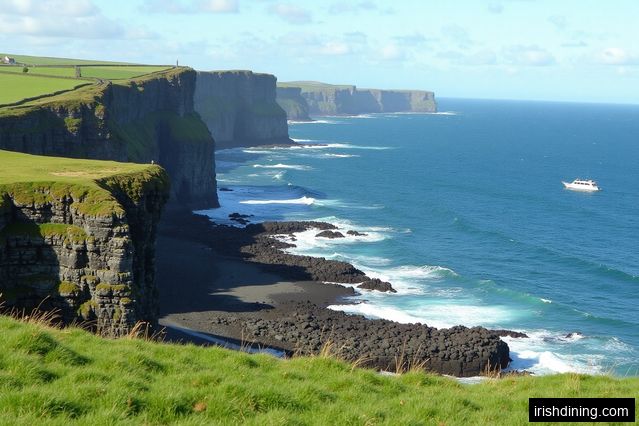
With its long coastline stretching over 3,000 kilometers, it's no surprise that seafood plays a prominent role in Irish cuisine. The Atlantic Ocean and the Irish Sea provide an abundance of fresh fish and shellfish, which have been staples in the Irish diet for centuries. From succulent oysters and mussels to flavorful salmon and cod, coastal communities have relied on these treasures of the sea for sustenance and inspiration in their cooking.
Seaweed: A Hidden Gem
One unique aspect of Ireland's coastal geography is the presence of nutrient-rich seaweed along its shores. Seaweed has been used in traditional Irish cooking for centuries, adding a distinct umami flavor to dishes. It is often used in broths, stews, and salads, providing a natural source of vitamins and minerals. The abundance of seaweed in Ireland has helped shape its culinary identity and continues to be a valued ingredient in contemporary Irish cuisine.
The Lush Green Fields
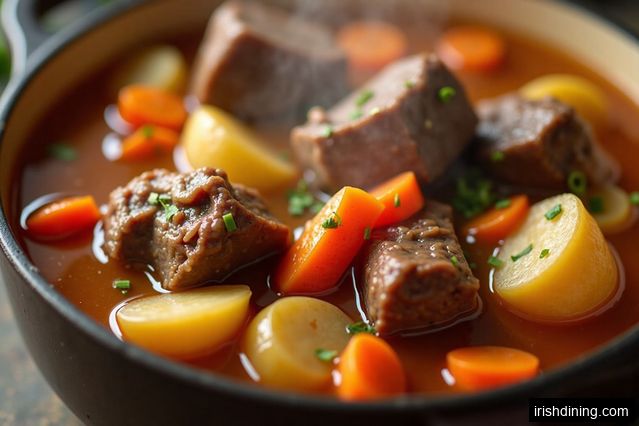
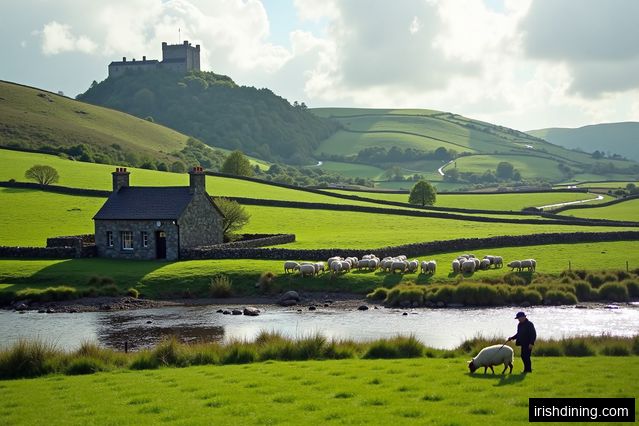
Ireland's verdant landscapes with their rolling hills and fertile soils have a significant impact on its food culture. The country's favorable climate and abundant rainfall create ideal conditions for agriculture. The lush green fields support the growth of various crops, including potatoes, barley, oats, and vegetables. Potatoes, in particular, have played a central role in Irish cuisine for centuries, being a staple in many traditional dishes such as colcannon and Irish stew.
Grass-Fed Livestock
The rich pastures of Ireland are not only suitable for crops but also for grazing animals. Cattle and sheep thrive on the lush grass, resulting in high-quality meat and dairy products. Grass-fed beef from Ireland is renowned for its superior flavor and tenderness. The dairy industry also benefits from the nutrient-rich pastures, producing exceptional cheeses, butter, and cream. The availability of such high-quality ingredients has greatly influenced the development of Irish cuisine.
The Wild and Rugged Terrain
Ireland's rugged landscapes, characterized by mountains, moorlands, and bogs, have shaped its food culture in unique ways. The wild terrain provides a diverse range of foraging opportunities, allowing people to gather wild berries, mushrooms, and herbs. These ingredients add depth and complexity to dishes, infusing them with the flavors of the Irish countryside. Additionally, the wild game that roams the Irish hills, such as venison and pheasant, has become a prized ingredient in traditional and contemporary Irish cooking.
Whiskey: A Taste of the Irish Landscape
The peat bogs found in certain regions of Ireland have had a significant influence on the country's whiskey production. Peat, which is partially decayed vegetation, is used as fuel during the malting process for whiskey production. This imparts a distinct smoky flavor to the whiskey, creating a taste that is synonymous with Irish whiskey. The unique combination of the rugged landscape and the traditional whiskey-making techniques has made Irish whiskey a beloved spirit around the world.