Understanding Irish Dining Culture
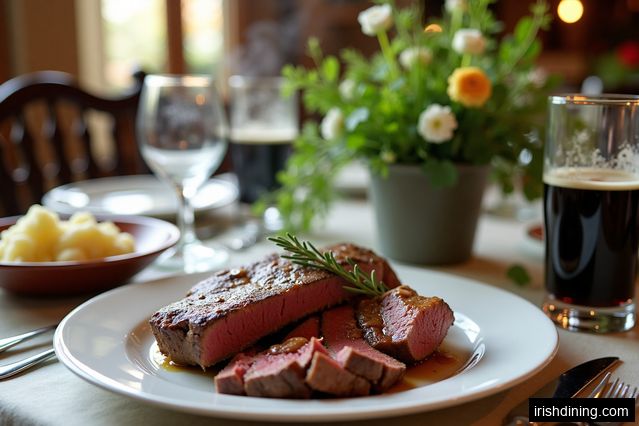
Before diving into the specifics of Irish dining etiquette, it's important to understand the cultural context. Irish meals are more than just a way to satisfy hunger; they are a social gathering where family and friends come together to share good food, stories, and laughter. Traditional Irish meals often feature hearty dishes made with locally sourced ingredients, and the dining experience is meant to be relaxed and enjoyable.
The Importance of Punctuality
When invited to an Irish meal, it is essential to arrive on time or no more than 10 minutes late. Punctuality is highly valued in Irish culture, and being late may be considered disrespectful. If you anticipate being delayed, it is polite to inform your host in advance. Arriving on time shows your appreciation for the effort put into the meal and ensures that everyone can enjoy the food while it's still hot.
Table Manners and Etiquette
Irish dining etiquette revolves around respect for others and the enjoyment of food. Here are some essential table manners to keep in mind:
Napkin Usage
Upon sitting down, unfold your napkin and place it on your lap. Use it to gently wipe your mouth or fingers when necessary. At the end of the meal, leave the napkin neatly folded to the left of your plate.
Toasting and Cheers
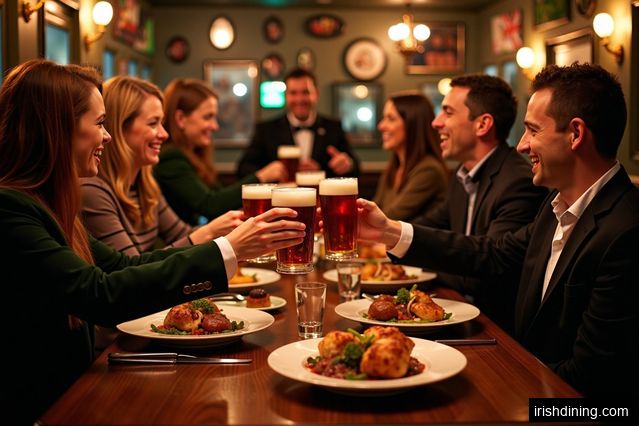
Toasting is an integral part of Irish dining culture. If someone proposes a toast, it is customary to raise your glass, make eye contact with the person who made the toast, and take a sip. It is considered impolite to take a sip without acknowledging the toast. When making a toast yourself, it is polite to include everyone at the table, rather than singling out individuals.
Proper Glassware Handling
When holding a glass, always grasp it by the stem or base, rather than the bowl. This ensures that the temperature of the drink remains unaffected and prevents unsightly fingerprints on the glass. Additionally, it is best to hold your glass slightly below eye level to avoid obstructing the view of others.
Respecting Dietary Restrictions
If you have any dietary restrictions or allergies, it is polite to inform your host in advance. However, it is important to note that Irish cuisine often includes meat, dairy, and gluten. If you have specific dietary requirements, it is advisable to research traditional Irish dishes that suit your needs or offer to bring a dish that accommodates your restrictions.
Trying Traditional Irish Dishes
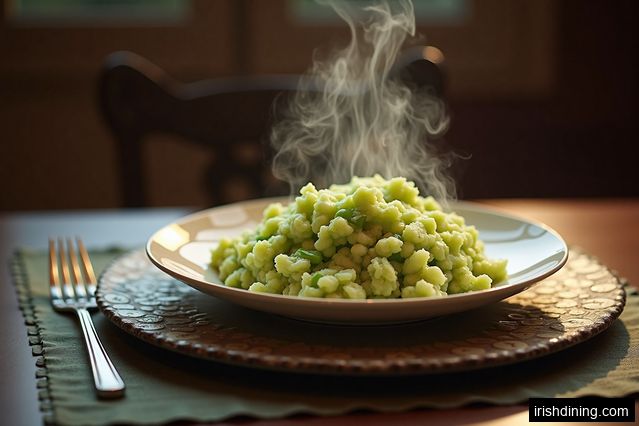
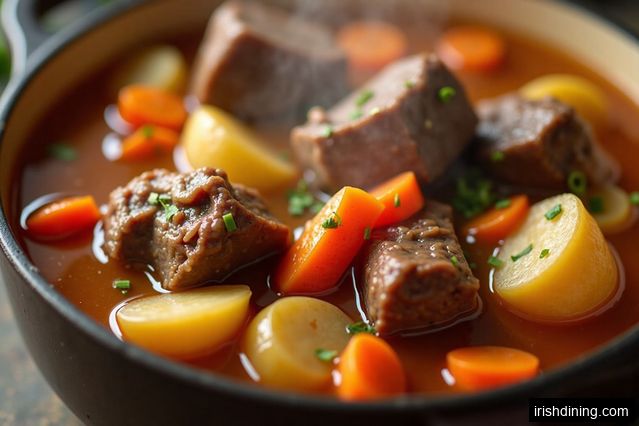
When presented with traditional Irish dishes, it is polite to try a bit of everything. Even if a particular dish is unfamiliar or doesn't align with your usual preferences, showing appreciation for the effort put into preparing the meal is important. Remember, Irish cuisine is diverse and offers a range of flavors to explore.
Expressing Gratitude
At the end of the meal, it is customary to express gratitude to your host for their hospitality. A simple thank you and complimenting the meal is a thoughtful gesture. If you had a particularly enjoyable dining experience, consider sending a handwritten thank you note or a small gift to show your appreciation.
Leaving the Table
After the meal has concluded, it is polite to wait for the host to signal that it is time to leave the table. Once the signal is given, stand up, thank your host again, and offer to help with clearing the table or doing the dishes. This demonstrates your appreciation for the meal and the effort put into hosting.